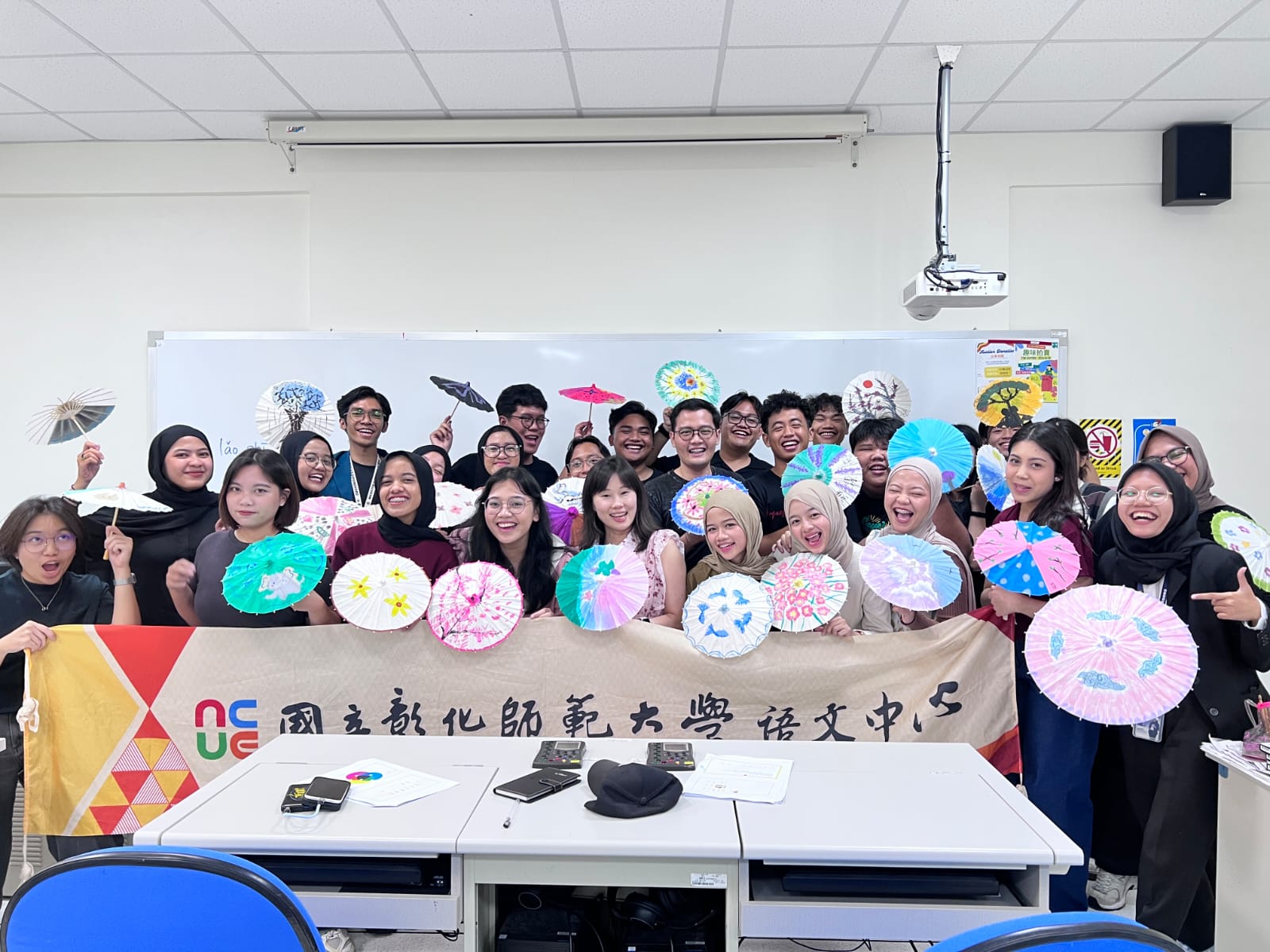
This year, Diponegoro University (UNDIP) once again sent 21 student representatives to participate in an international program, namely the Mandarin Summer Camp in Taiwan, which was held from August 3 to August 16, 2025. Among the participants were two students from the 2021 Indonesian Literature Study Program, namely Syifa Nuramalia Salmaa and Anggun Karunia Sejati. This activity aims to provide opportunities for students who want to learn Mandarin and Taiwanese culture.
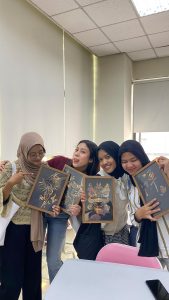
Students carried out structured activities every day. Starting in the morning, they took intensive Mandarin classes with local teachers. The learning method is interactive, encouraging students to actively speak, listen, read Mandarin characters, and form groups to practice the material that has been taught. In the afternoon, students attend cultural classes such as painting, cooking, learning traditional arts, and getting to know traditional games such as mahjong, which originated in China but has become part of popular culture in Taiwan. In addition, students not only learn about culture in the classroom, but outside of class they also gain equally interesting knowledge about culture by visiting historical sites, museums, and cultural centers, which provide students with the opportunity to understand Taiwanese society more closely.
One of the students from the Indonesian Literature study program shared his impressions. “I gained a lot of lessons and experiences while studying in Taiwan, from learning the language and culture to interacting with the people there. We were able to practice the language while getting to know their culture. Unfortunately, this activity only lasted for two weeks, which felt very short. Just as we were starting to bond with the people there, we were forced to part ways and return home.”
Through the Mandarin Summer Camp in Taiwan, UNDIP students not only acquired language skills but also valuable experiences in understanding cross-cultural differences. This program is expected to broaden global perspectives, strengthen international networks, and foster students’ enthusiasm to continue excelling on the world stage. Thus, this success serves as tangible evidence of Universitas Diponegoro’s commitment to supporting educational internationalization and cultivating a globally competitive younger generation.